
Crew Retention
The Retention Advantage: Why Smart Management Companies Are Moving First
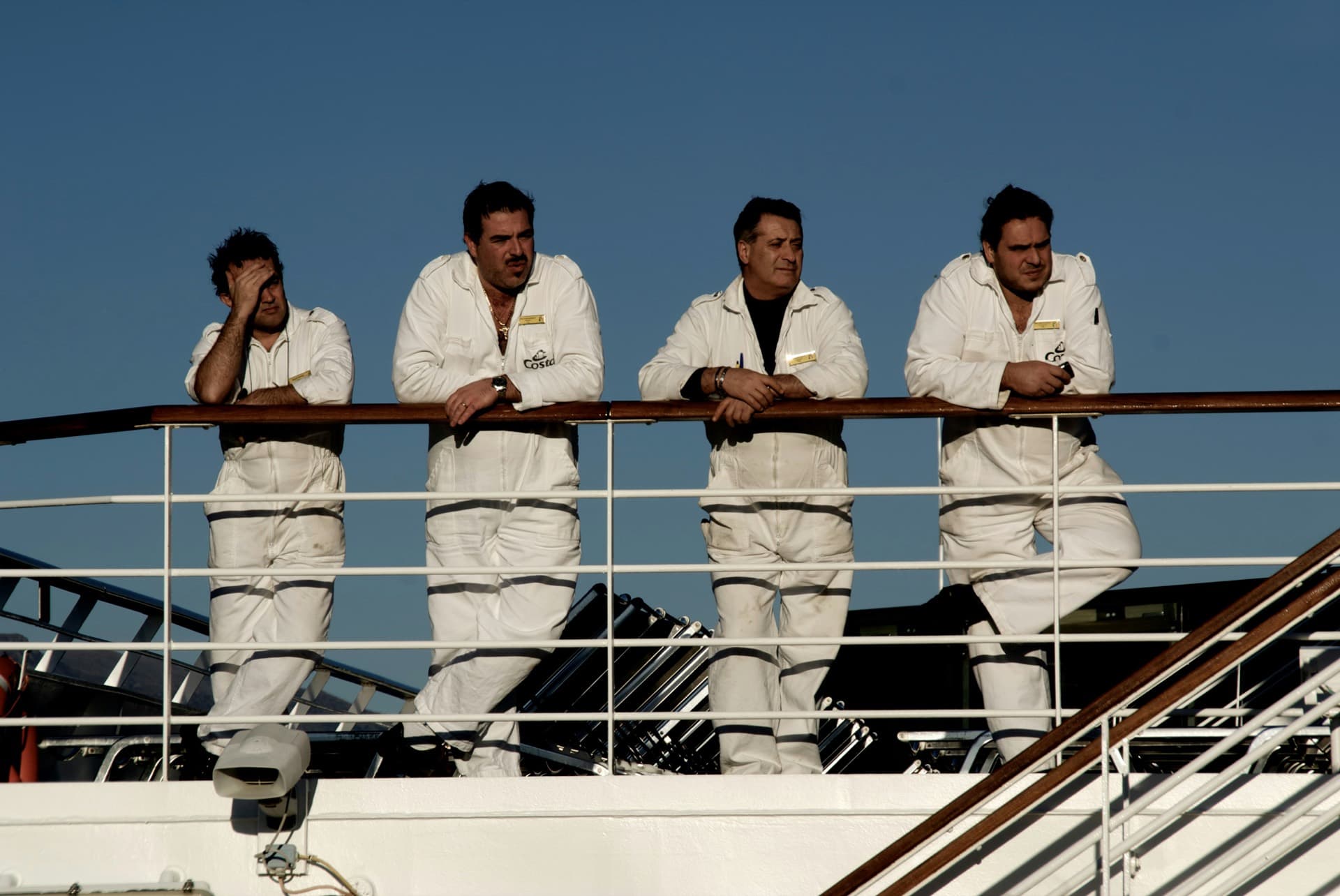
For a long time, crew welfare sat in the same mental box as life jackets and fire drills. Something you provided because you had to, ticked off, and moved on from. That box is quietly being dismantled. The management companies I speak to that are paying attention have started to see crew wellbeing for what it actually is: one of the few remaining levers that meaningfully moves retention, reputation, and cost at the same time. The ones acting on that now are going to be hard to catch.
Start with the number that tends to focus minds. Losing a single crew member mid-season costs a vessel somewhere between €15,000 and €40,000 once you account for recruitment, lost productivity, onboarding, and the knock-on effect on everyone left covering the gap. That isn’t a soft cost. It’s a hard, repeatable line item, and on a busy fleet it repeats often. Half of all crew have considered leaving the industry, and 40% of junior crew don’t make it through their first season. Every one of those exits has a price tag, and most of them were preventable.
The economics are no longer up for debate
What’s changed is that the case for doing something about it has gone from intuition to arithmetic. Deloitte’s analysis of workplace mental health programmes found an average return of £4.70 for every £1 invested, through improved productivity and retention. Gallup found that employees who feel their employer genuinely cares about their wellbeing are 69% less likely to be actively job hunting. Apply even a fraction of that to a fleet’s turnover bill and the maths stops being a debate about cost and starts being a debate about how quickly you can act.
The regulatory ground is shifting underneath this too. The Maritime Labour Convention already frames crew welfare as an owner’s responsibility, and the latest STCW amendments that came into force this year put crew mental health and fatigue squarely on the agenda. The direction of travel is obvious. Welfare is moving from optional to expected, and the companies that get ahead of that curve will look prepared rather than reactive when it becomes the standard everyone is measured against.
Retention as a recruitment story
There’s a second advantage that rarely makes it onto the spreadsheet. In a market where good crew are scarce and word travels fast, the boats known for looking after their people get first pick of the talent. Crew talk. They compare notes on which programmes treat them well and which treat them as disposable. A management company with a genuine reputation for crew wellbeing doesn’t just keep the people it has, it attracts better people to begin with, and it does so without competing on salary alone. Retention and recruitment are the same story told from two ends.
None of this works as a poster in the crew mess or a phone number nobody calls. It works when the support is real, used, and built for the actual conditions of life at sea. That is exactly the gap we’re building Haven to close, and we’re bringing it to the industry through the management companies first, the ones who see crew wellbeing as an advantage rather than an obligation. We’re not ready to show all of it yet. But the fleets that come aboard early will be the ones setting the standard the rest of the market spends the next few years trying to match.